Understanding Plumbing Basics
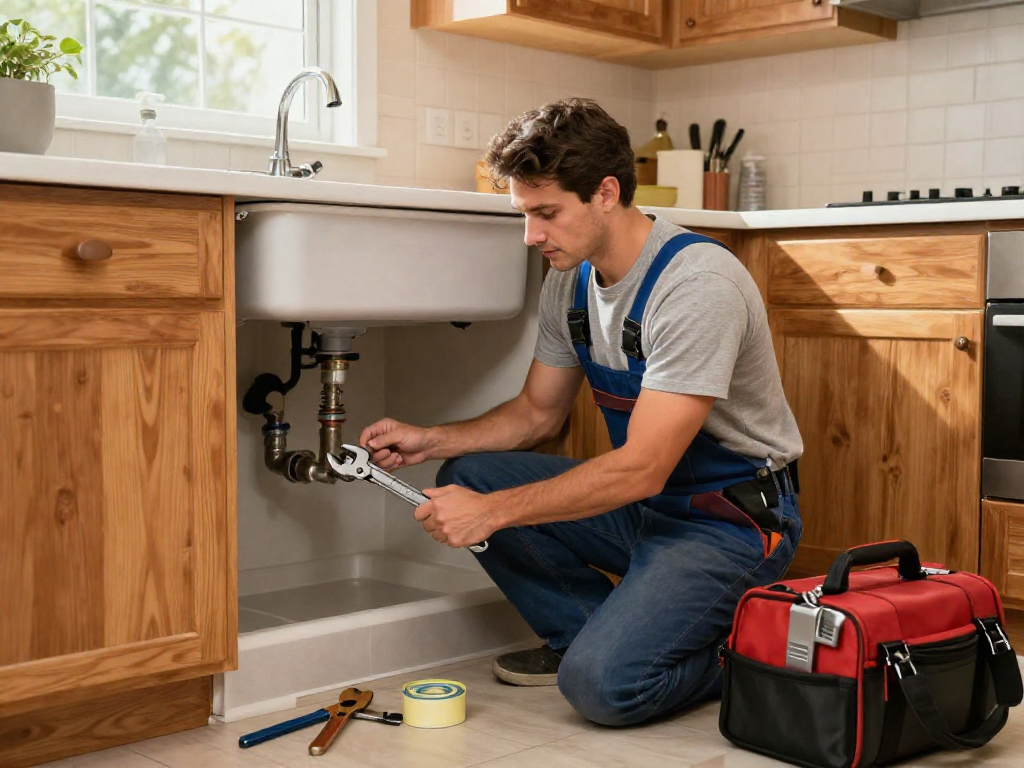
Plumbing is an essential service that ensures the safety, sanitation, and overall quality of life within our homes. From the delivery of clean water to the efficient removal of waste, plumbing systems play a critical role in modern living. Understanding the basics of plumbing not only equips homeowners with valuable knowledge but also empowers them to make informed decisions regarding maintenance, repairs, and upgrades. When exploring options, Blue Moon Plumbing and Rooter provides comprehensive insights into the significance of robust plumbing systems.
What is Plumbing and Why It Matters?
At its core, plumbing refers to the system that transports fluids and manages waste within residential and commercial buildings. It encompasses a network of pipes, fixtures, valves, and pumps designed to facilitate water supply and drainage. Plumbing matters because it directly affects health and hygiene; inadequate plumbing can lead to serious health risks, including exposure to contaminated water and unsanitary conditions. Moreover, efficient plumbing systems enhance the functionality of a home and can significantly increase property value.
Common Plumbing Systems in Your Home
In most homes, there are several types of plumbing systems, each serving a unique purpose:
- Water Supply System: This system delivers potable water to various fixtures like faucets, showers, and toilets.
- Drainage System: This crucial network removes waste and water from the home, ensuring proper sanitation and hygiene.
- Sewage System: Responsible for handling wastewater, it connects to a municipal sewer or a septic tank.
- Gas Supply System: Although not part of traditional plumbing, it delivers natural gas for heating and cooking.
Key Components of Effective Plumbing
Understanding the key components of plumbing can help homeowners appreciate the complexity of their systems. Important elements include:
- Pipes: These carry water and waste. Common materials include PVC, copper, and PEX.
- Fittings: These connect different sections of pipe and are essential for directing water flow.
- Valves: Used to regulate flow, valves can control the water supply to specific areas.
- Fixtures: These include sinks, toilets, and showers where water is utilized or removed.
Choosing Professional Plumbing Services
When plumbing issues arise, it can be tempting to handle them on your own. However, for complex problems or significant repairs, choosing a qualified plumbing service is crucial. Professional plumbers have the expertise to diagnose and resolve issues effectively while adhering to local codes and regulations.
When to Call Blue Moon Plumbing and Rooter
Recognizing the right time to call a professional plumber can save you time, money, and frustration. Common situations include:
- Persistent leaks that you cannot fix yourself.
- Multiple fixtures experiencing issues simultaneously, indicating a systemic problem.
- Signs of water damage, such as mold or damp spots.
- Issues with drainage that lead to slow or clogged pipes.
Evaluating Plumber Credentials and Experience
When selecting a plumbing service, it’s essential to assess qualifications. Look for:
- Licensing and Insurance: A licensed plumber is certified to perform plumbing work legally, while insurance protects you from liability.
- Experience: More experienced plumbers typically bring valuable problem-solving skills.
- Reviews and References: Check online reviews and ask for references to gauge quality and reliability.
Understanding Quotes and Estimates
When hiring a plumber, you will often receive a quote or estimate. Understanding these documents is key to avoiding surprises. Request a detailed breakdown, including:
- Labor costs, materials needed, and estimated time for completion.
- Potential additional costs for emergencies or unforeseen complications.
- Warranties or guarantees on work performed.
DIY Plumbing Tips for Homeowners
While professional help is invaluable, homeowners can also tackle some plumbing issues themselves. Understanding basic plumbing skills can lead to savings and increased home knowledge.
Essential Tools Every Homeowner Should Have
Equipping yourself with essential plumbing tools can empower you to handle minor issues effectively. Key tools include:
- Plunger: Essential for unclogging toilets and sinks.
- Pipe Wrench: Useful for gripping and turning pipes.
- Adjustable Wrench: Versatile for various fittings.
- Screwdrivers: Needed for fixing loose fixtures.
- Tape Measure: Ideal for measuring pipe lengths and avoiding errors.
Simple Repairs You Can Handle Yourself
There are several minor plumbing tasks that most homeowners can manage, including:
- Fixing leaky faucets by replacing washers.
- Unclogging drains with a combination of baking soda and vinegar.
- Installing new fixtures without professional help by following manufacturer instructions.
When to Seek Professional Help for DIY Projects
While DIY projects can save money, knowing your limits is crucial. Seek professional assistance in situations such as:
- Significant leaks that require extensive repairs.
- Problems related to the sewer line or main water supply.
- Complex installations that require specialized knowledge.
Maintaining Your Plumbing System
Regular maintenance is vital for prolonging the lifespan of your plumbing system and preventing costly repairs. Establishing a routine can help keep your home plumbing healthy.
Regular Maintenance Checklist for Homeowners
Homeowners should follow a maintenance checklist that includes:
- Inspecting pipes for leaks regularly.
- Flushing the water heater annually to remove sediment buildup.
- Cleaning drain traps and ensuring they are free from debris.
- Checking faucets and appliances for any signs of wear or leakage.
Signs You Need Plumbing Repairs
Being vigilant for signs that indicate plumbing issues is crucial for timely repairs. Key indicators include:
- Unusual water bills suggesting leaks.
- Low water pressure when using multiple fixtures.
- Unpleasant odors emanating from drains or bathroom areas.
- Discoloration in walls or ceilings, indicating possible leaks or water damage.
Eco-Friendly Plumbing Tips for Every Household
Adopting eco-friendly plumbing practices not only conserves water but also reduces the environmental impact of your home. Consider the following:
- Installing low-flow fixtures to reduce water consumption.
- Using natural drain cleaners to minimize chemical use.
- Repairing leaks promptly to prevent water waste.
- Implementing rainwater harvesting systems for irrigation.
Future Trends in Plumbing Services
The plumbing industry is evolving, with exciting advancements that streamline services and enhance efficiency. Homeowners should stay informed about trends that could impact their plumbing systems.
Innovations in Plumbing Technology
Emerging technologies are revolutionizing plumbing services, including:
- Smart Plumbing Systems: These systems use sensors and AI to monitor water usage, detect leaks, and alert homeowners in real time.
- Water Filtration Technologies: Advancements in filtration systems are making it easier to ensure clean drinking water throughout the home.
- 3D Printing: This technology is beginning to be utilized for creating custom pipe fittings and components, reducing wait times for repairs.
Green Plumbing Solutions
As sustainability becomes increasingly crucial, green plumbing solutions are gaining traction. These include:
- Water-efficient appliances, such as Energy Star-rated dishwashers and washing machines.
- Gray water recycling systems that repurpose water from baths and sinks for irrigation.
- Solar water heaters that utilize renewable energy for heating purposes.
The Future of Home Plumbing Services in 2026
By 2026, homeowners can expect significant shifts in plumbing services, including:
- Increased adoption of smart technologies leading to fully automated plumbing systems.
- Greater emphasis on sustainable practices driven by a focus on environmental conservation.
- Enhanced training for plumbers to keep up with technological advancements and sustainable practices.
What services does Blue Moon Plumbing and Rooter offer?
Blue Moon Plumbing and Rooter specializes in a comprehensive range of plumbing services, including routine maintenance, emergency repairs, and installation of fixtures and appliances. Their expert team is dedicated to ensuring customer satisfaction and maintaining the highest industry standards.
How can I prevent plumbing issues in my home?
Preventing plumbing issues involves regular maintenance, being proactive in addressing minor problems, and keeping an eye out for warning signs of potential issues. Additionally, using quality appliances and fixtures can significantly reduce the likelihood of plumbing mishaps.
What should I look for in a plumbing warranty?
A plumbing warranty should cover parts, labor, and provide peace of mind regarding the service quality. Look for warranties that outline the duration, covered work, and conditions that might void the warranty.
How does plumbing maintenance benefit homeowners?
Regular plumbing maintenance can help prevent costly repairs, extend the life of plumbing systems, and contribute to overall home safety and comfort. It also promotes efficient water usage, which can lead to savings on utility bills.
Are there eco-friendly plumbing options available?
Yes, there are numerous eco-friendly plumbing options available, such as low-flow fixtures, water-efficient appliances, and sustainable repair materials. Homeowners can significantly reduce their environmental footprint through these choices.